

FOOD FOR THOUGHT
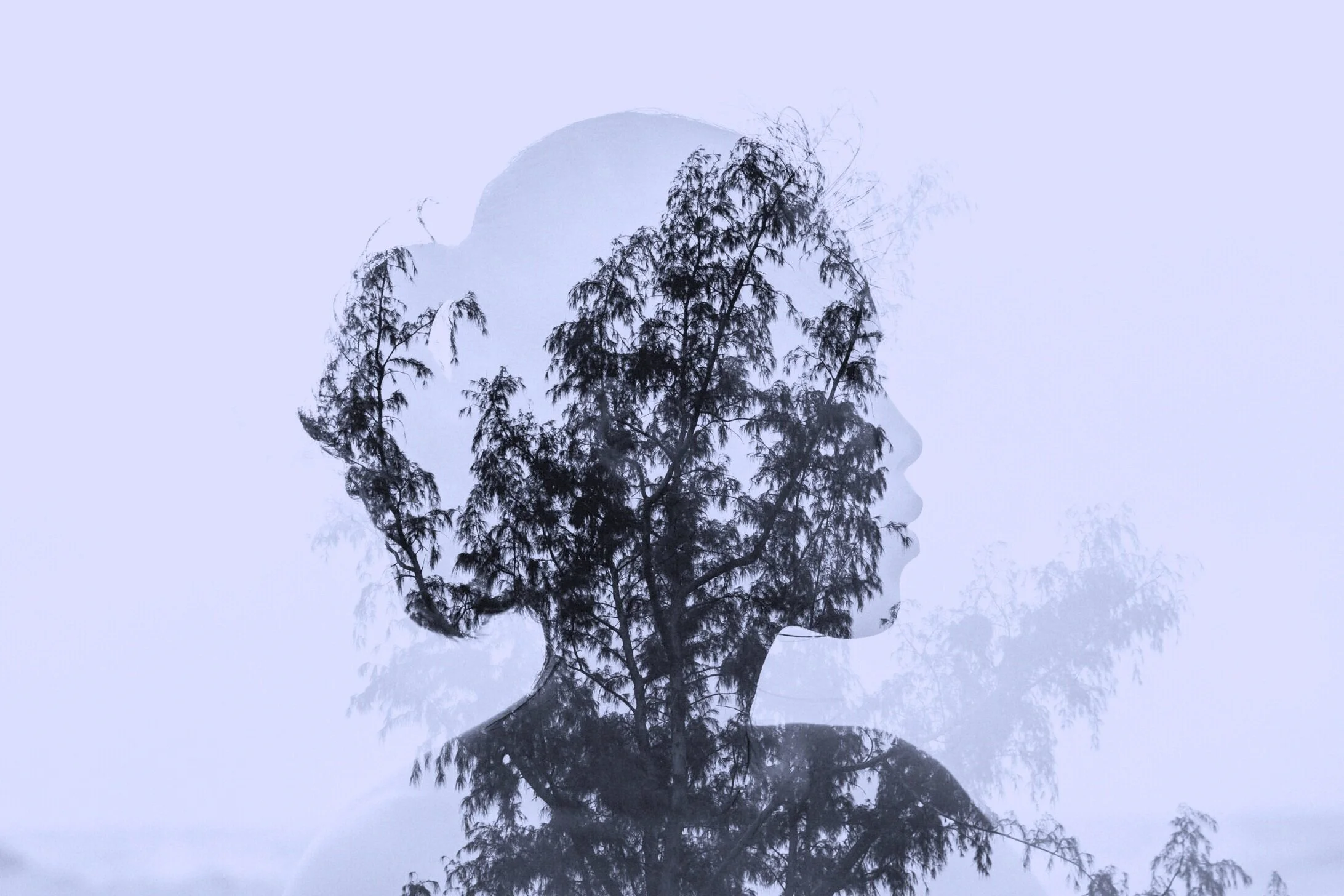
WHAT IF Responsibility MEANT Impact AND Freedom?
Do you believe that being responsible is either a burden or a price you have to pay for a mistake? Have you ever felt obligated to act a certain way because “it was the right thing to do” or because you felt responsible for supporting someone? Would you like to feel responsible, free, and happy all at the same time? In this article, we’ll explore ways to express our authenticity in a creative and meaningful way—for both you and others.
In our daily lives, being responsible is often seen as a burden or a price to pay for a mistake. “You’re responsible for this mess.” “It’s our responsibility to take care of the planet.” “This isn’t my responsibility—it’s yours.” Who hasn’t felt stressed, angry, or even powerless when hearing statements like these?
Is having to be responsible really that troublesome? Is there an alternative to either suffering from or ignoring our sense of responsibility?
FINDING MEANING
“Where does our responsibility begin and end?”
Originally, the concept of responsibility had a positive connotation. In Latin, “respondere” means “to answer to, to promise in return.” Essentially, it refers to the ability to hold oneself accountable.What should we be accountable for?
Should we still be held responsible if the requests we receive are unrealistic? When your boss asks you to do something that’s impossible given the resources at your disposal, should you try to turn that impossibility into a possibility?
Is it a person’s responsibility to deal with the consequences of others’ irresponsibility? For example, should Greta, a 15-year-old girl, be responsible for tackling the climate crisis caused by previous generations?
The growing awareness of our human responsibility for climate change and epidemics such as the COVID-19 pandemic illustrates a shift in people’s perception of their sense of responsibility. Whereas pre-industrial societies believed that natural disasters were caused by forces beyond human control, modern society holds a different view.
While it is important to face reality, placing the burden of changing human behavior on individuals may be too overwhelming. Rather than empowering us, our reptilian brain tends to trigger our “fight-or-flight” response when faced with such a monumental task. Could we view our responsibilities as a catalyst for expressing our humanity and creativity?
FreeDOM to Determine Our Responsibility
We are neither all-powerful nor powerless. If we cannot change the many circumstances of our world, we can change our perception of it by tapping into our superpower called consciousness.
If we are mindful of how we view a situation— —we have the power to decide what we want to do about it. In doing so, we reclaim ownership of our responsibility.
As Victor Hugo said, “Everything that increases freedom also increases responsibility.” Yes, it is scarier to be accountable for our choices. But isn’t it also exciting to realize that we have the power to influence our environment and control its impact on our lives?
What impact do you want to make?
When faced with a situation, thinking about the reality you want to shape (rather than the effects or causes of that situation) may help you change your mindset regarding the concept of responsibility.
Let’s step away from your rational mind for a moment. Let’s imagine you’re diving in the Indian Ocean. You’re enjoying being immersed in another world and surrounded by nature. You feel at peace… until you see a plastic bag on a coral reef.
Here, you have a few options:
You might think: “What a shame! Nature is being destroyed! People are irresponsible!” You probably feel pretty angry, ashamed, or depressed.
You may decide to do nothing because you have nowhere to put this bag, and there are so many other tragedies at sea that it’s pointless to take this single action.
Alternatively, you might get furious, pick it up, and spend the rest of your dive seething with rage at human society.
Another way to look at it might be: “This is unfortunate and terrible for nature. We need to change the way we produce and consume on land. In the meantime, since I saw it, I can pick it up even though it’s not convenient. At least it will be one less threat to the fish.” Proud of your sense of responsibility, you enjoy the rest of your diving experience.
Some will say that this reframing of the situation is a form of brainwashing by positive psychology. Others will think that we won’t save the planet by focusing on an individual’s small actions. Still others may simply wonder what the “right” attitude is to have in this situation.
Honestly, this question is too complex to have a single, simple answer. It’s up to you to decide what you want to think and do in a given situation. Your impact depends on YOUR CHOICE.
Updating your change
A SIMPLE TOOL
When you're faced with an obstacle, a fear, or rejection, why not take a step back and ask yourself:
What are the facts?
What thoughts are causing me to feel a negative emotion?
What do I want to be like instead?
How can I act in a way that makes me feel the way I want to feel?
Here is an example:
Facts: A business leader explains, “Sustainability is, at best, the icing on the cake—something to be addressed only once everything else has been taken care of and if time and resources permit.”
Thoughts & emotions: “This is so wrong. With this kind of thinking, our world will come to an end pretty soon. I can’t work with people like that. I feel hopeless, exasperated, and drained.”
Ideal me: responding with empathy, trying to understand the person’s true needs and finding smart ways to demonstrate the added value of sustainability
Aligned action (among many others): “Do you feel overwhelmed and under pressure from all the business development and cost-saving targets you’re facing?” If so, “How about discussing your challenges and seeing if we can come up with some sustainable solutions?”
A MANTRA TO ACCOMPANY YOU
“‘Ifyou own this story, you get to write the ending .’”
Now, back to YOU! How do you want to take charge of your story today?
***
Feel free to share how this article resonates with you—I’d love to hear from you. Also, if you’d like help finding (or refining) your purpose and increasing your impact on society and the planet through your professional activities, feel free to contact me using this form (English / French)